


How Is Artificial Intelligence Transforming the Transportation Industry?
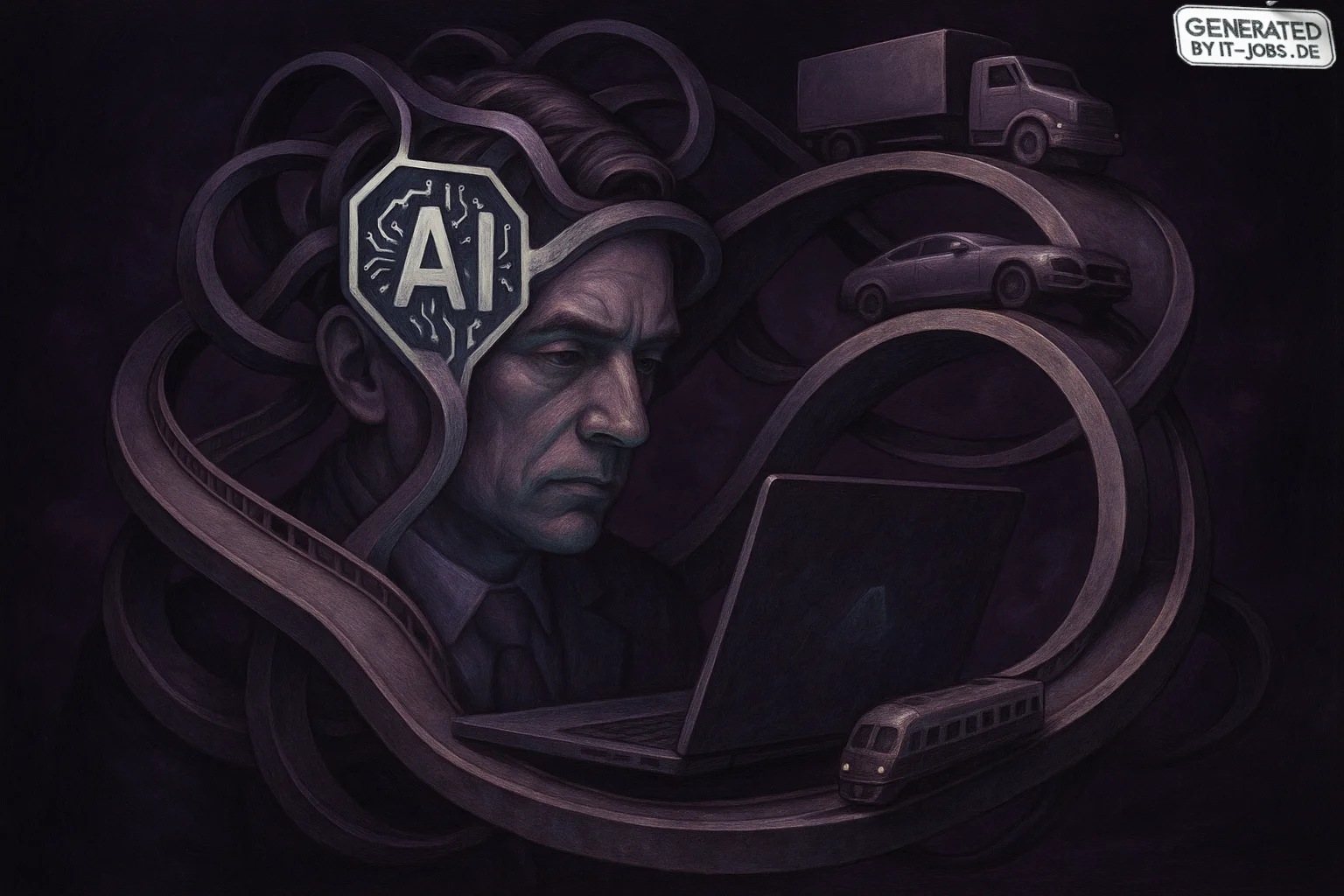
Warum machen Menschen alles manuell, sogar Verkehr? Ich finde es lustig, wie Spezialist für Künstliche Intelligenz im Transportwesen sich fühlt, wie sie einen LKW mit Tunnelblick steuern, während sie versuchen, Google Maps zu lesen. Sie würden denken, sie wären in einer Version von "Wen sucht Google Maps?" gestrandet.

- Introduction to Artificial Intelligence in Transportation
- AI Innovations Steering the Transportation Industry
- Navigating the Potholes: Challenges in Implementing AI in Transportation
- AI Tools in Logistics: Strengthening Supply Chain Efficiency
- Educational Journey for Aspiring AI Specialists in Transportation
- Current Trends and Future Outlook: AI Transforming Transportation
- Conclusion: AI's Roadmap for the Future of Transportation
Introduction to Artificial Intelligence in Transportation
Buckle up, digital wanderers! Today, we’re cruising into the acceleration lanes of the transportation industry, where Artificial Intelligence (AI) is more ubiquitous than cats on the internet. It's hard to imagine a world without AI, which now acts like a turbocharged co-pilot, catalyzing the daily grind into a delightful ride. Be it the hustle and bustle of commercial trucks blazing down highways in perfect convoy, or public transit systems more reliable than your morning coffee, AI is the unseen but unmistakable maestro orchestrating this thrilling opera of controlled chaos.
First things first—meet the darling of AI’s automotive family tree: the autonomous vehicle. These self-driving chariots are the rockstars of the AI world, heralding a promise to revolutionize how we zip and zoom across cities and towns. Picture this: a reality where traffic jams hold as much permanence as last season’s fashion. Though we haven’t quite reached the land of seamless roadways, automotive giants and tech leviathans are in a fierce sprint to perfect autonomous systems that won't just park themselves—thankfully skipping the five-point maneuver.
Zooming out to the bigger picture, AI isn’t just about TikTok dances—it's the genius behind the curtain optimizing logistics and supply chains. Ever thought about how your package arrives faster than love in a rom-com? Yup, tip your hat to AI crunching numbers, optimizing pathways, and ensuring snack deliveries stay firmly within reach—a true modern-day magic wand wrapped in algorithms.
But wait, there’s more! Enter the day-to-day drama of public transit, where AI is the trusty conductor ensuring that buses, trains, and even ferries run smoother than your grandma’s vinyl records. Through its analytical prowess, AI sifts through mountains of data, encompassing everything from commuter numbers to weather forecasts and weekday woes, turning public transport into an efficiently orchestrated mechanical ballet.
And let’s not throw shade on traffic management systems, relying on AI to perform real-time monitoring and adjustments as seamlessly as a barista adjusting foam density. Think of it as your trusty map app but hopped up on brainy steroids—turning city planning from a cat-and-mouse chase into a harmonious urban symphony where city planners go from frazzled to fabulous.
In essence, AI is busy re-inventing the wheel—literally and figuratively—in the transportation sector, morphing mundane commutes into precursors of a skyward future we once mistook for sci-fi. Fasten your seatbelts because AI’s transformative journey in transportation is just getting revved up!
AI Innovations Steering the Transportation Industry
Hold onto your proverbial hats, tech enthusiasts, because we're about to embark on a thrilling ride through the bustling avenues of AI innovations in transportation. Consider AI your never-fatigued, exceptionally savvy co-pilot, forever armed with shortcuts for avoiding those soul-draining morning traffic jams. Just like that genial mechanic who knows precisely which wrenches to twist, AI is at the helm, enhancing efficiency, boosting sustainability, and ensuring safety with a precision that makes a Swiss watch look sloppy.
Predictive Analytics
Imagine predictive analytics as your own, private version of Doctor Strange, but rather than fending off interdimensional threats, it's extracting pearls of wisdom from oceans of data to guide city planners and traffic strategists. By using historical traffic trends that are almost as ancient as your grandma's classic iron skillet recipes, AI predicts traffic congestion, peak rush hours, and, when they're feeling particularly mischievous, even those potholes that like to surprise us with their annual return.
Pittsburgh and Los Angeles have already thrown AI into the driver's seat, removing 25% of their congestion woes with its wizardry (source: Trax Technologies). The achievement? Reduced travel times, decreased emissions, and a shared sigh of relief across the city’s expanse. Even logistics firms are marveling at AI’s clairvoyant powers, employing this ethereal tool to guarantee cargo arrives exactly as scheduled – a feat so fantastical we can barely recall the pre-AI era without wincing.
Route Optimization
Route optimization, that’s akin to having that one cousin who, like clockwork, finds secret passages through city streets. By assessing real-time traffic dynamics, weather prognoses, and road conditions, AI writes an epic poem of efficiency. Picture dispatch centers morphing into War Room-like command hubs, precision and agility their creed.
Logistics titans tapping into these AI-powered plays witness dramatic turnabouts — fewer driving miles, significant drops in fuel usage, cutbacks in operational expenses, and impeccable delivery punctuality. Imagine slashing fuel expenses by 15-20%—it’s no longer fantasy, but a verified triumph toasted by businesses applying these solutions (source: Trax Technologies).
And it only gets juicier—this ain’t just icing for delivery fleets. Public transit infrastructures are riding the wave too. For instance, in London’s Underground, AI shows off by ironing out those surprise delays with real-time intel and sleek predictive schedules. The tube cruises like a magnificent instrumentation panel (aside from when Bob from maintenance skips his morning java).
Autonomous Vehicles and AI
Make way for the rolling prodigies of AI transport — autonomous vehicles (AVs), or what we like to call, the superheroes of AI in motion. Welcome to an age bursting with robo-cabs, self-driven trucks, and vehicles so sophisticated that they’d put many a microwave to beep-shame when reversing.
Front-runners Tesla and Waymo are in the proverbial driver's seat of these paradigm shifts. Whether it's lane alignment or fending off collisions, AI plays the reliable chauffeur that alleviates the stress of nail-biting traffic trips. With an assurance of reducing accident stats usually chalked up to human error, glamorization is inevitable.
However, AVs aren't solely about pampering us with convenience; they've got a serious résumé donned with carbon emission cuts and minimized reliance on fossil fuels. With AI’s navigation prowess, vehicles transcend frail human blunders like tiredness or distraction.
But before we leap into a world forever relieved of driving duties, let’s ease into the regulatory lane. This debate fuels as much controversy as, say, choosing which pair should stay in 'Dancing with the Stars'. AVs present ethical conundrums reminiscent of those philosophical brainteasers disguised as roadside hiccups. Nevertheless, AVs undoubtedly race toward the future of cleaner, safer voyages ahead.
Navigating the Potholes: Challenges in Implementing AI in Transportation
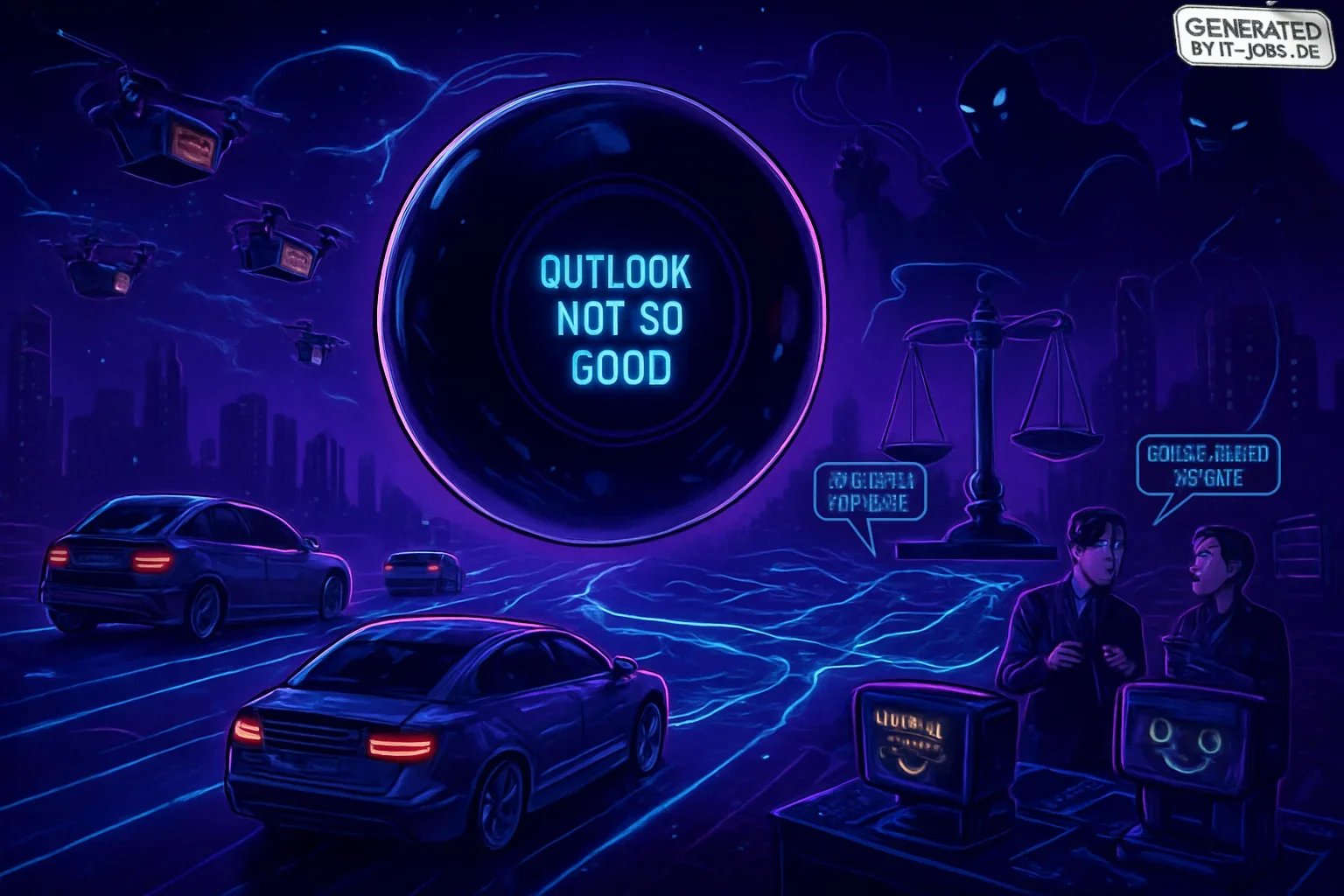
Ah yes, picture-perfect AI transportation: sleek autonomous vehicles zooming around, and our grocery deliveries descending from the sky like gifts from future Santa. While it sounds like a J.J. Abrams blockbuster, the reality involves navigating through some significant challenges. Spoiler alert: these hurdles are as real as the traffic that magically appears when you're running late!
### Data Management and QualityIn the kingdom of AI, data reigns supreme as both king and kingdom. Picture this: without pristine, well-organized datasets, AI's predictive prowess gets as questionable as a Magic 8-Ball's life advice. So, to keep AI's engine purring like a content tabby cat, the data must be tidy and diverse. Just look at Pittsburgh, where AI stepped up its game and played traffic wizard, reducing congestion and making daily commutes less of a heated glare contest with the dashboard (Intellias).
### Regulatory Challenges and ComplianceIf only AI could run free like a cheetah through the savannah of innovation, right? Alas, legal frameworks serve as the necessary traffic cops on this futuristic highway. Around the globe, governments draw their lines in the sand, leading to debates as lively as any weather forecast discussion. Navigating these regulations feels like deciphering an ancient treasure map, demanding a perfect blend of tech smarts and legal wizardry to ensure AI doesn't transform from friendly assistant to chaotic dark knight (Numalis).
### Cybersecurity ConcernsAh, cybersecurity—the pepper spray of our digital age! With AI systems becoming the Guardians of Transportation Galaxy, they’re naturally the targets of dastardly cyber villains. Imagine a commute rerouted into traffic purgatory thanks to a digital prankster. That buzzkill scenario is a reality we can't afford. Hence, reinforcing AI with a digital version of Fort Knox is not just a poetic suggestion; it's an absolute must. No one wants Harry Potter’s invisible bus dropping them off on Platform 9¾ by accident (API4).
Indeed, these obstacles might seem like daunting topographical challenges, but fear not—they're like those tricky video game bosses you eventually figure out—just more legally intricate. Collaboration among stakeholders is key to transforming these impediments into stepping stones. With united efforts, AI will eventually cruise serenely down the lanes of an efficient, robust, and secure transportation ecosystem. Meanwhile, ensure your coffee maker is fueled for drone delivery, because the future is arriving one byte at a time!
AI Tools in Logistics: Strengthening Supply Chain Efficiency
Ahoy there, modern magicians of logistics! Ready to plunge into the shimmering sea of AI tools that are transforming the logistics sector into a streamlined symphony of supply chain wizardry? Hoist your digital sails, fellow tech buccaneers, as we venture into a realm where businesses glide seamlessly through logistical challenges with sleek cargo holds and nary a glimpse of a Kraken.
Modern AI Tools
Imagine stepping into a warehouse that's more bustling than a beehive but with AI orchestrating the organized chaos. Move over, dusty old clipboards—AI has donned the glitzy attire of choice in today's logistics gala. Starting with the sorcery of AI-powered predictive analytics, logistics dynamos can now peer into the data crystal ball, preemptively thwarting the dreaded demons of overstock and stockout before they materialize like a logistics Shakespearean tragedy.
Within the heart of warehouse operations, AI-driven robots perform tasks with such decorum that even a Swiss watchmaker would be envious. These mechanical marvels don’t just relish the art of sorting; they also excel at preempting equipment meltdowns, averting breakdowns and curbing those dreaded overtime-induced financial leaks. Meanwhile, route optimization algorithms sketch delivery maps with the precision of a seasoned navigator, ensuring packages arrive on time and emissions are kept in check.
If immersive tech tickles your fancy, AI-enhanced customer service is that suave assistant who can turn a customer inquiry into a delightful tête-à-tête reminiscent of a charming fireside chat. Chatbots serve up solutions before problems can rear their thorny heads, allowing your logistics team to seize more strategic battlegrounds. The integration of these AI virtuosos delivers an adrenaline shot of efficiency, accompanied by rave reviews from sources like Oracle and Element Logic. Bid farewell to bottlenecks of yore—the digital Renaissance has dawned!
Cost Reduction and Efficiency
In their quest to conquer the persistent adversary known as "High Operating Cost," industries have inducted AI into the Superhero Hall of Fame. Within the logistics coliseum, AI metamorphoses cost structures by cunningly deploying optimization algorithms reminiscent of a strategic Grandmaster's chess move! Consider freight auditing—once the haven of mortal eyes, now conquered by AI, combing through invoices at speeds that leave human workers in awe (and slight despair).
AI's path to cost savings is paved with meticulous, intelligent route planning that circumvents futile detours and slashes fuel waste. Clearly, fewer misguided turns translate to dollar signs pocketed by both books and the ecosystem at large! Moreover, AI's automation tackles the monotony of repetitive tasks, liberating payroll bandwidth for higher ambitions. Warehouse robots labor tirelessly, enhancing throughput and elevating operational efficiency to quantum peaks even Einstein would applaud.
This union with AI brings logistics into an era where cost savings coincide with increased customer delight. AI chatbots weave a personal touch into every interaction, making customers feel like the VIPs they truly are. Research, including insights from CargoFL, validates that AI adoption in logistics guarantees significant upsurges in fiscal fortitude. Companies report remarkable gains in accuracy and timeliness, proving that AI investment isn't merely commonsense—it's an ROI bonanza.
Ultimately, bringing AI into your logistics fold is akin to insulating your castle walls for winter—a masterstroke with a profitable twist. No, this isn’t the work of enchanted elves; it’s pure logic and a splash of fun—an IT pro's true bliss! If AI could wear a cape, it would belt out the tune "Efficiency Enhancer Extraordinaire." So, why linger at port when you can embark on the logistical AI adventure today? Let tech innovation revolutionize your operations—and who knows, maybe you'll teach a robot to whistle while it works!
Educational Journey for Aspiring AI Specialists in Transportation
Buckle up, future AI aficionados! You're about to embark on an expedition to become an AI specialist in the transportation realm. This journey doesn't come with a GPS, but rather a curriculum map that leads you to your ultimate AI desT-Nation. Pack your digital backpack with some brain food—mostly silicon-based textbooks—and prep for a road (as reliable as any Python script) full of courses and secret knowledge bumps along the way.
Let's start by building the framework of your expertise—it’s like constructing the engine room for your future AI-laden cyber sleigh! A robust foundation in computer science is non-negotiable. Think of it as the engine that drives your ambitions in robotics and AI. A bachelor's degree can be your launchpad, ideally in computer science, information technology, or something similar. Embrace courses that focus on programming (calling out Python and Java, our trusty code crusaders), data management, and algorithms. Oh, and don’t forget the turbo boost: calculus—because understanding machine learning’s gradients can be as satisfying as nailing that perfect apex turn on a racetrack. As much fun as calculus is at parties, it's crucial for optimizing both your algorithms and your humor!
But wait—this journey isn't complete without detours into the lush valleys of machine learning. Think of this as the AI's internal GPS, beeping and blinking the trajectory to success. You’ll need to crack the code of artificial neural networks and deep learning. Picture them as layers within layers—much like a well-executed meme. Don't skip computer vision courses; you'll want those autonomous rad wheels to see beyond just the road—instead, they should interpret and respond to data like seasoned pros. According to [Intellias](https://intellias.com/ai-in-transportation/), machine learning is more than a tool—it’s the Swiss army knife for deciphering vast swathes of transportation data in real-time situations.
Now onto the soft skills: imagine presenting an advanced AI algorithm to an audience of non-tech executives without sounding like a binary-sing-along. Your relief package for this is communication, critical thinking, and teamwork. You need these to climb the corporate ladder smoothly rather than tripping over the perils of miscommunication. It’s all about navigating office politics with the finesse of an AI steer-by-wire system!
Your theoretical smarts won’t pass the test without practical application. Seek out internships or hands-on projects that let you flex those AI muscles. Real-world datasets will offer exhilarating insights into what drives success—and what might inadvertently code you into a cul-de-sac!
With this toolkit on hand, aspiring AI specialists can revolutionize the transportation industry like a Turing test on a joyride—efficient and forward-thinking. Maybe someday you'll be the one steering our future vehicles, transforming intelligent transportation from a dream to a reality.
Essential Coursework and Skills
Don your lab coats, wizard hats, or whatever inspires your coding magic, because tackling these courses demands every ounce of intellectual sorcery you can conjure! Sure, Python doesn't grow on CCNA trees, but it’s one crucial spell—you’ll also need a dash of C++ to navigate the hardware/system realms with panache. Math buffs unite! Courses in statistics and probability are essential. They're the key to unlocking data models, and they’re definitely up there in the top ten AI-brain training routines!
Next, let’s delve into the depths of specialized coursework. Data structures? Absolutely—it’s the digital equivalent of organizing your life Marie Kondo-style. Database management systems ensure control over backend chaos, morphing it into a Zen-like pipeline. Machine learning and AI-centric courses will unearth the elegant algorithms that drive innovation. Learn computer vision to interpret pixels like a prodigy. Not to forget NLP (Natural Language Processing): ensuring AI truly "understands" and involves human-speak and slang like a teen on social media!
Ingenious problem-solving aligns with employability skills. Your role involves tackling the tech world's version of Apollo 13's "Houston, we have a problem" scenarios more often than you'd expect. These soft and hard skills assemble a finely-tuned AI toolkit, akin to Batman’s utility belt—only with more RAM and less bat soap.
Onward to closing the gap on employability! Industry certifications from likes of Google and Microsoft will quantum leap you closer to your dream job. And networking—ah, here’s where you assume mastery. Engage in clubs, join online forums with fellow tech travelers—your digital domain looms large on LinkedIn, the business world’s rolodex reincarnate!
Career Opportunities and Pathways
So, what doors does this divine knowledge unlock? Intelligence isn't just a trait reserved for MI5 agents—it’s the forte of machine learning engineers who wield algorithms like Sherlock Holmes wielded his trusty magnifying glass.
As a data analyst or scientist, you’ll plunge into ocean-sized data pools, resurfacing with a bounty trove of insights. For the hands-on types interested in every gear and cog, roles in autonomous vehicle development or smart traffic management beckon—notably where your coding prowess and sharp judgment can bring visible improvements to urban transit routes. Forget about traffic jams and questionable shortcuts. Your algorithms now helm the wheel!
Yet the adventure doesn’t end here. Project management and consultancy roles appeal to those pursuing related paths. Leverage your technological acumen to consult, bridging gaps for businesses that strive to implement AI solutions at their core. Product Managers and AI specialists unite like dynamic duos—they’re the future builders of innovation!
Emphasize the value of earning specialized certificates and attending AI and transportation conferences to forge connections. Swap that business card and hone your elevator pitch when mingling among industry titans at these events—though, maybe spare them from “I’m AI, not ‘I’,” lest you confuse the discourse before dessert.
The transport sector calls for expert AI maestros to push boundaries of innovation, efficiency, and safety. With every wheel's revolution comes a fresh opportunity for you to join in—leaving the competition eating your digital dust while re-calibrating possibilities. This isn't just a career where you mash buttons; you’re literally steering a transformative journey of technology and creativity!
Current Trends and Future Outlook: AI Transforming Transportation
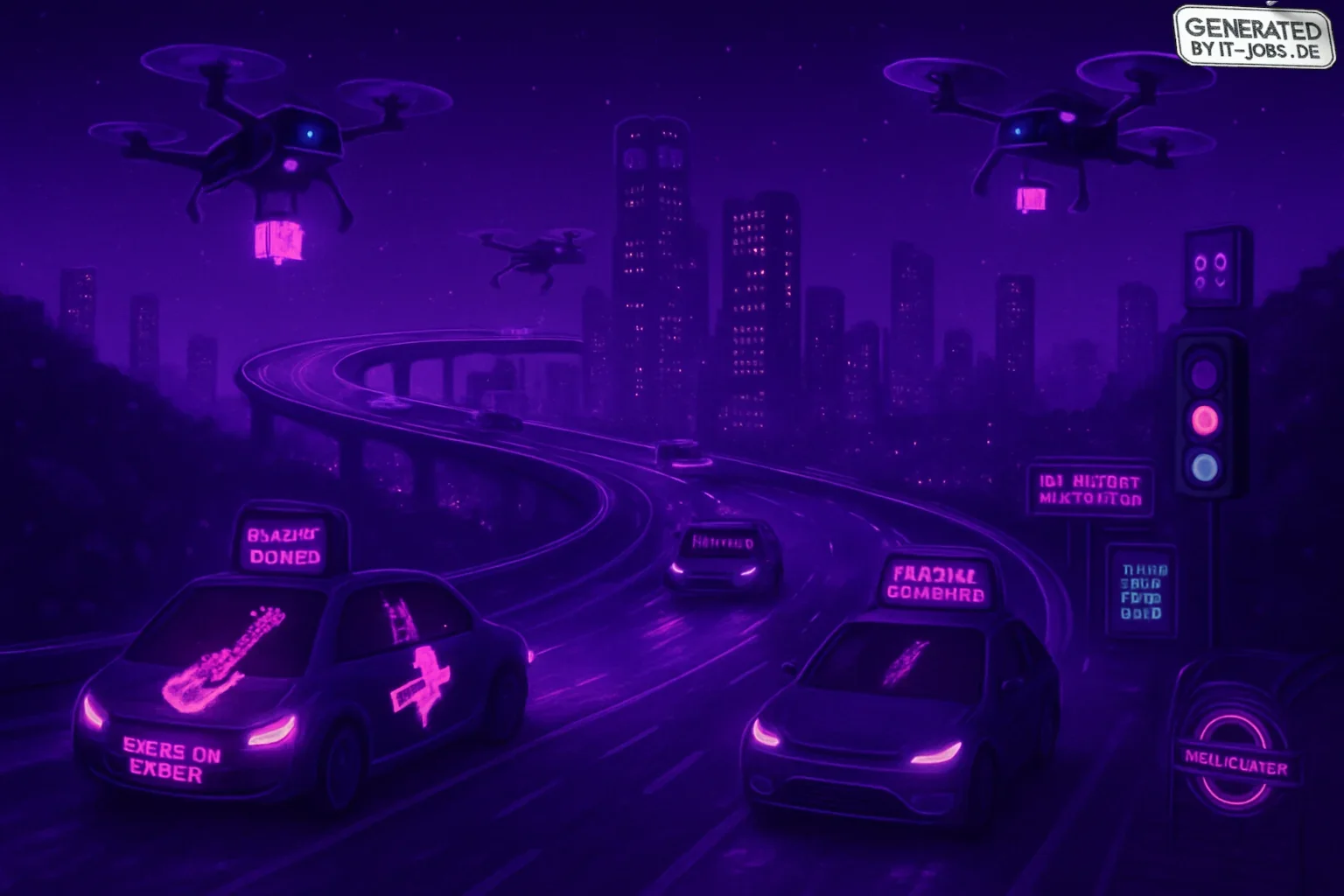
Imagine a not-so-distant future where roads don't just guide you but serenade your journey, every traffic light dances to the tune of progress, and your morning brew anticipates your arrival at the office. This is the world of AI-powered transportation, where algorithms are not just the co-pilots, they're the stars of the highway opera. In this new reality, AI is reshaping every twist and turn of our transportation systems, spinning us closer to a world full of transformative innovations and sustainability.
Emerging Trends
First up in this techno-carnival are autonomous vehicles, the automotive industry's own rock stars. With the bluster of any celebrity, they come with the promise to dramatically reduce human errors which, according to Trax Technologies, are responsible for 90% of all traffic incidents. Companies like Tesla and Waymo are turning the steering wheel from mere necessity to passé hobby, as they sink countless dollars into refining their autonomous tech, hinting that future commuters might be more concerned with scrolling through memes during their ride than watching the road.
But the revolution doesn't end at driverless cars. AI-powered traffic management systems have composed urban symphonies that harmonize reduced congestion with cleaner air. Pittsburgh's sagacious synchronization of lights has seen a 25% cut in travel times and a 20% reduction in emissions. It’s almost like each traffic light has its own meditation app, breathing deeply to keep traffic flowing smoothly.
And let's not overlook the high-flying potential of drones, our newfound BFFs—or Big Flying Friends—shooting for the stars of urban mobility planning. Drones are making a grand entrance from above, delivering the possibilities of air taxis and citywide delivery solutions, leaving terrestrial traffic snarls looking up in envy.
AI and Sustainability
Now, onto the love affair between AI and old Mother Earth. It turns out that AI doesn't just crunch data—it gives the environment a good hug too! By optimizing vehicle routes and minimizing idle times, AI ensures our planet breathes a touch easier with each journey. And that’s not all.
Electric Vehicles (EVs) are riding the AI wave too, as smart systems optimize battery usage and grid load balancing. Research indicates that AI’s wizardry has the potential to slice carbon emissions by 10-15%, fueling a verdant advocacy for green tech.
Furthermore, AI’s brilliance shines brightly in public transportation, ushering in an era of top-notch efficiency. When London’s Underground implemented smart ticketing and predictive scheduling, the result was an elevated travel experience—for both weary commuters and battered timetables alike.
AI continues to weave itself into the fabric of transportation, building a more environmentally friendly future, one byte at a time. As AI drives transportation further, it’s on course to make industries greener and smarter while turning an eco-conscious front of optimism towards the future.
Conclusion: AI's Roadmap for the Future of Transportation
As we roll into the final chapter of this saga on AI in transportation, it's clear – clearer than a windshield on a rainy day with super-duper hydrophobic coating – that we're tiptoeing right on the cusp of an AI revolution. Much like those memes about cats ruling the internet, AI is shaping up to be the overlord of our highways and byways. Although we've chuckled about AI running traffic like a drill sergeant or pondering the moral compass of self-driving cars, these quirky scenarios might soon be part of our everyday reality.
Transportation’s future transcends merely getting from point A to point B; it's about the finesse, the safety shimmy, and the sustainable slide with which we undertake the journey. With AI's chutzpah, every aspect of your typical transport system – including logistics, public buses, and maybe even your trusty bicycle – is about to get a high-tech facelift polished to a shine. Brace yourself! Trax Technologies and their musings on AI’s eco-ambitions state that this revolution will bring lower emissions, higher safety – essentially, a gold star sticker for transportation's report card.
Now, if you like drama - and who doesn't - autonomous vehicles are our Oscar-winning protagonists. They’re ready to revamp urban scenes, promising roads where “Oops! My bad” becomes a relic of the past. Yet, before these robo-chariots take the reins and you start daydreaming in the driver's seat, don't forget those pesky legal potholes or the ethics roadblocks waiting like a sassy GPS voice, ready to redirect your path.
Add to the mix AI's duet with IoT and cloud computing - seen orchestrating symphonies in cities like Vienna and Pittsburgh - and you'll marvel at this concert of traffic management making roads smarter and honk-free. AI doesn't just want to fix current jams; no, it wants to remodel the journey entirely! As it plans concepts like urban air mobility, you might just find your next commute more "Star Wars" than "Home Alone." Remember, no need to pack for intergalactic travel—yet.
With a winding path ahead—picture a Swiss mountain road, replete with excitement and breathtaking scenes—AI's roadmap isn't just a map; it's the ultimate travel guide. Businesses, policymakers, and tech enthusiasts are all booking tickets for this ride. They'll need savvy strategy, innovation, and a firm grasp on this digital juggernaut's steering wheel. So, wherever the next AI stop is, let’s remember it's about the journey, the ones and zeros running the show, and the destination. This holy trinity of AI transportation is where we should savor the experience, barreling into the future with giddy anticipation. And who knows? Maybe someday, even our commutes will be hashtag-worthy travels on our life timeline.